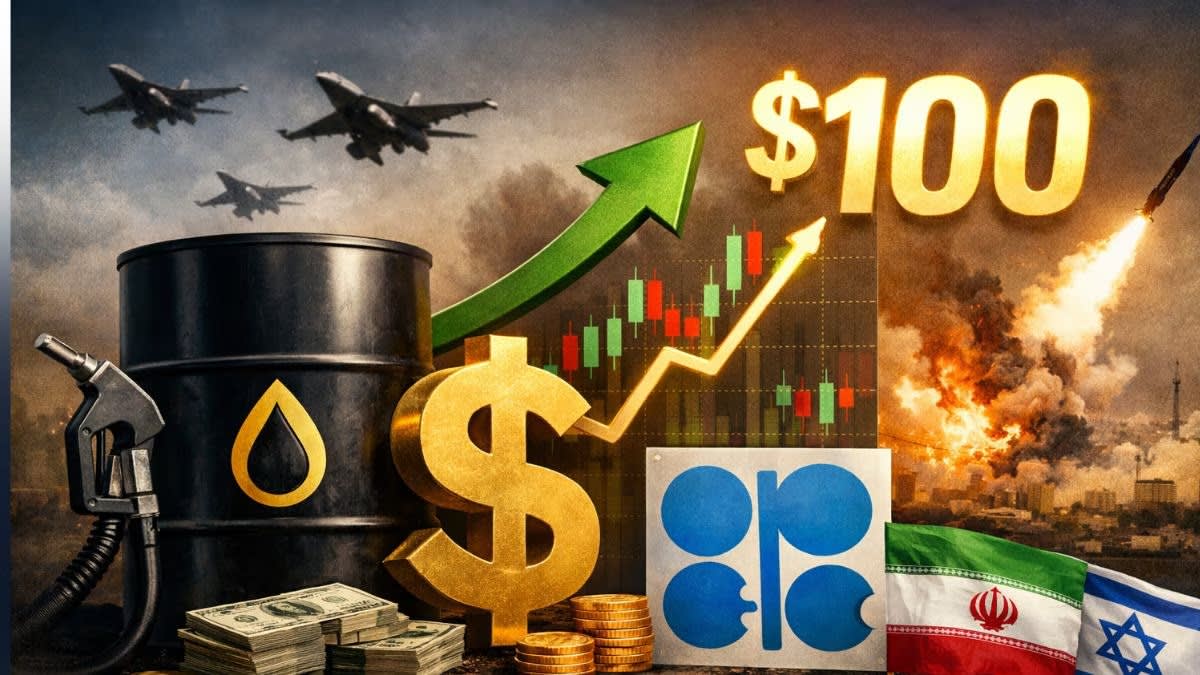
Strait of Hormuz Crisis Explained: How the US-Israel-Iran War Could Trigger a Global Oil Shock
The escalating US–Israel–Iran conflict is no longer confined to airstrikes and missile exchanges. The growing instability around the Strait of Hormuz has introduced a dangerous economic dimension that could ripple across global markets.
As tensions rise in the Gulf, concerns are mounting over energy security, maritime safety, and the possibility of a global oil shock.
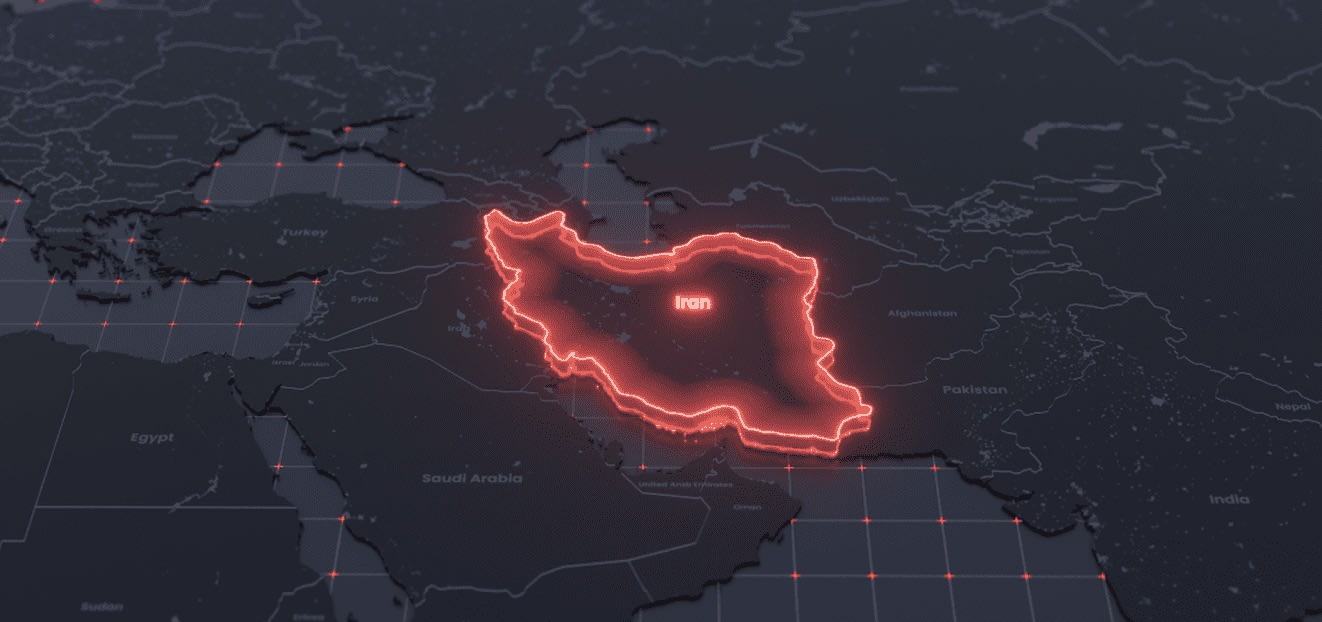
Why the Strait of Hormuz Matters
The Strait of Hormuz is one of the most strategically important waterways in the world.
- Nearly 20% of global oil supply passes through this narrow corridor.
- Major exporters like Saudi Arabia, UAE, Kuwait, and Iraq rely on it.
- It connects the Persian Gulf to international markets.
- Even minor disruptions can spike global oil prices.
Because of its location between Iran and Oman, the strait has long been a geopolitical flashpoint.
Escalation in the Gulf
Recent reports indicate attempts to target vessels entering the Strait of Hormuz, along with increased naval deployments in surrounding waters.
- US naval forces increasing patrol operations
- Iran signaling potential maritime restrictions
- Commercial ships rerouting for safety
- Insurance premiums for tankers rising sharply
The situation has intensified fears of accidental confrontation or broader naval clashes.
Global Oil Prices React
Markets responded quickly to the heightened risk.
- Crude oil prices surged amid supply fears
- Energy stocks rallied globally
- Airline and logistics sectors faced volatility
- Investors shifted toward gold and safe-haven assets
If shipping through Hormuz is disrupted even partially, analysts warn prices could spike dramatically within days.
Maritime Security Risks
Beyond oil prices, maritime security concerns are growing.
- Oil tankers vulnerable to missile or drone strikes
- Risk of blockades or restricted passage
- Potential naval standoffs between US and Iranian forces
- International coalition discussions for protection patrols
The Gulf region has seen similar tensions in the past, but current hostilities significantly raise the stakes.
Impact on the Global Economy
A prolonged Strait of Hormuz crisis could trigger wider economic consequences:
- Higher fuel prices globally
- Increased inflation in import-dependent countries
- Supply chain disruptions
- Pressure on developing economies
- Central banks reconsidering rate policies
Energy-importing nations in Asia and Europe would likely feel the immediate impact.
Geopolitical Implications
The Strait of Hormuz is not just an economic corridor — it is a strategic military chokepoint.
- NATO monitoring airspace and missile activity
- Regional powers increasing defense readiness
- Diplomatic channels attempting de-escalation
- Risk of broader Middle East conflict expansion
Any direct confrontation in the strait could draw additional international actors into the conflict.
What Happens Next?
Several possible scenarios are emerging:
- Limited naval confrontations with quick diplomatic resolution
- Short-term disruption leading to temporary oil spike
- Broader military escalation affecting Gulf stability
- Formation of international maritime security coalition
The next few weeks will be critical in determining whether the crisis stabilizes or spirals further.
Conclusion
The Strait of Hormuz crisis represents one of the most serious economic threats emerging from the US–Israel–Iran conflict. With global oil supplies at stake and military tensions rising, the world is watching closely.
If disruption occurs at scale, the impact will extend far beyond the Middle East — affecting energy markets, global inflation, and geopolitical stability worldwide.
Stay with Latest Updates Daily for continued in-depth coverage.


